


*** Now Shipping! ***
Vitalize Seed Company
Vitalize Native Browse
Vitalize Native Browse
Vitalize Native Browse is designed to establish diverse native forage that supports wildlife nutrition, habitat quality, and long-term land health. Built around native species adapted to thrive in challenging environments, this mix provides highly attractive browse while improving biodiversity and creating healthier habitat structure across your property.
Unlike conventional forage systems that rely heavily on annual inputs, native browse systems develop extensive root systems that improve water infiltration, nutrient cycling, and long-term resilience. Native establishment takes patience, but once established, these systems provide lasting forage diversity and habitat value that benefits deer, pollinators, birds, and the overall ecosystem.
Couldn't load pickup availability
Share

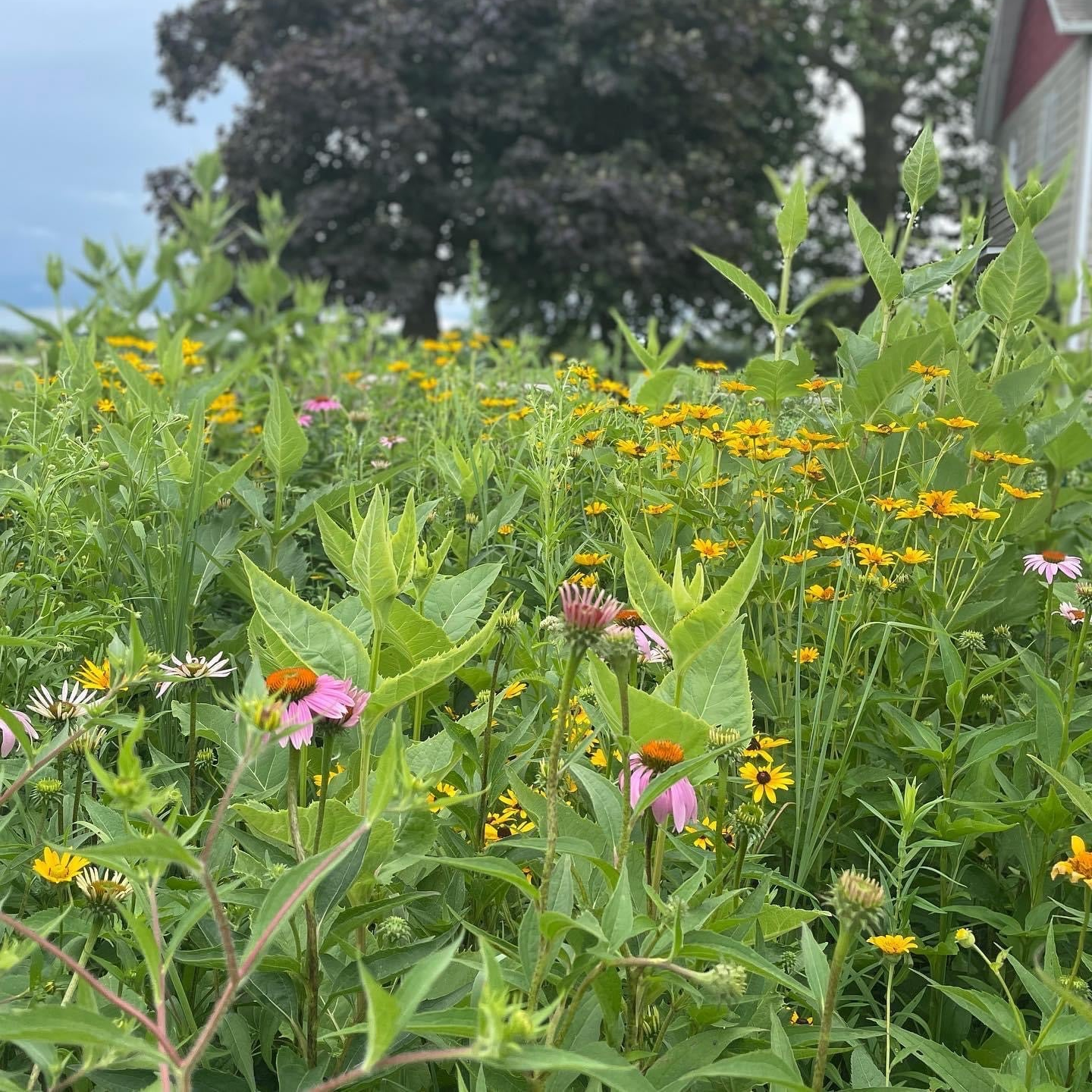

Native Browse Built for Wildlife Attraction and Habitat Diversity
A carefully selected native browse mix designed to provide natural forage, improve habitat quality, and support long-term ecosystem health.

Why Plant Native Browse?
🦌 Diverse native forage for deer and wildlife
🌱 Improves habitat quality and biodiversity
💧 Deep-rooted species improve drought tolerance
🌾 Builds healthier soil over time
🐝 Supports pollinators and beneficial insects
♻️ Long-term, regenerative habitat improvement
What’s in the Bag
-
- Rough Dropseed
- Little Bluestem
- Virginia Wildrye
- Hairy Wildrye
- Junegrass
- Sand Dropseed
- Sideoats Grama
- Fox Sedge
- Purple Prairie Clover
- Ohio Spiderwort
- White Prairie Clover
- Illinois Bundle Flower
- Illinois Ticktrefoil
- Showy Ticktrefoil
- Stiff Goldenrod
- New England Aster
- Blue Sky Aster
- Hoary Vervain
- Foxglove Beardtongue
- Golden Alexander's
-
- Old Field Goldenrod
- Oxeye, False Sunflower
- Maximilian's Sunflower
- Saw-tooth Sunflower
- Canada Anemone
- Black-eyed Susan
- Gray-headed Coneflower
- Pale Purple Coneflower
- Partridge Pea
- Blue Vervain
- Cream Gentian
- White Wild Indigo
- Round-headed Bush Clover
- Smooth Blue Aster
- Culver's Root
- Alumroot
- Sweet Coneflower
- Prairie Blazing Star
- Rough Blazing Star

Establishment Expectations
Year 1:
Most growth happens below ground while root systems establish.
Year 2:
Browse species begin thickening and becoming more noticeable.
Year 3:
Mature native stand with improved forage diversity and habitat structure.
Planting & Seeding Guidelines
Planting Window
Native mixes can be planted after a killing frost in the fall through late spring.
Dormant fall and winter seedings work especially well because freeze-thaw cycles improve seed-to-soil contact naturally.
Seedbed Preparation
Do not aggressively till the soil before planting. Native seed performs best when planted shallow into a firm seedbed.
Existing Vegetation Control
If cool-season grasses such as brome, fescue, orchardgrass, or Kentucky bluegrass are present, use two herbicide applications before planting.
Seeding Depth
Plant very shallow. Native seed should be placed directly on top of the soil or barely incorporated.
Weed Management
Weed pressure is normal during establishment. Mow vegetation to ankle height when growth reaches knee height during the first summer.
Frequently Asked Questions
Why do native plantings look slow the first year?
Most native species prioritize root development before top growth. The first year is often focused underground.
Can I till before planting?
Minimal soil disturbance is preferred. Native seed establishes best on a firm seedbed.
Why mow during establishment?
Mowing prevents fast-growing annual weeds from shading young native seedlings.
When is the best time to plant?
Dormant seeding after frost through spring works very well depending on conditions.
How long do native stands last?
With proper establishment and maintenance, native plantings can thrive for many years.